
Lightning Fast Turnaround!
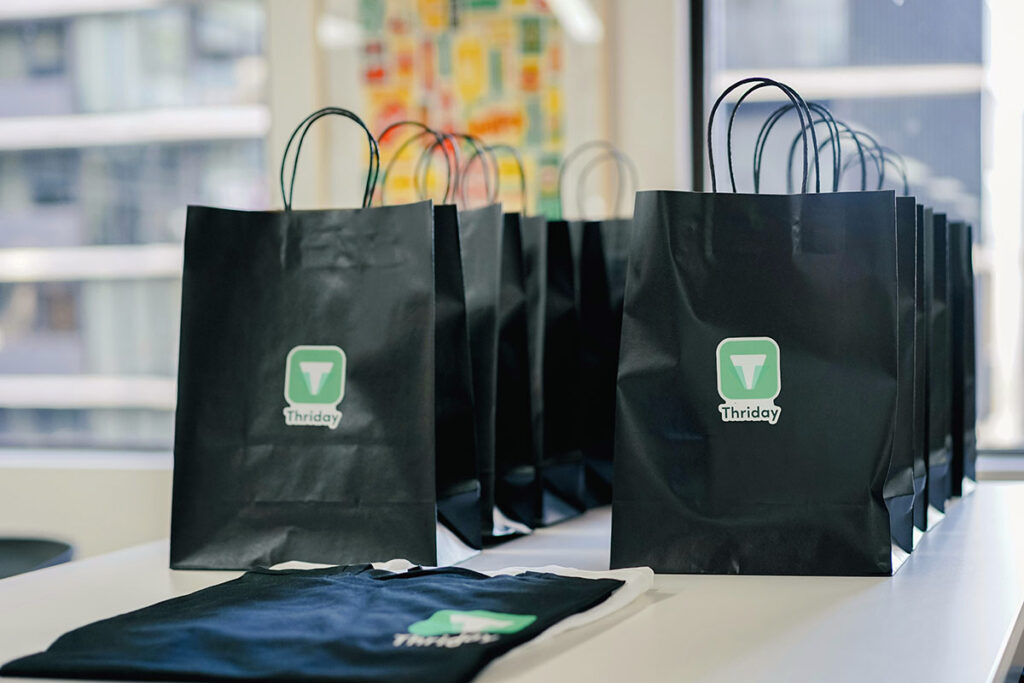
For food and drink brands selling merchandise at events, pop-ups, markets, tasting rooms, or festivals, the merch table isn’t just a side display. It’s a branding tool, a revenue stream, and often the most direct connection you’ll have with customers that day.
Branded apparel and merch create visibility, but selling those items consistently takes more than laying them out on a table. Small details in presentation and customer interaction often determine whether someone actually buys. One of the simplest tools in that process is the free sticker.
Giving away stickers might seem like a throwaway move. But it can drive stronger sales for shirts, hats, bags, and other branded merch. For food and beverage businesses, free stickers create momentum at the table while extending your brand well past the event itself.
The effectiveness of a free sticker comes down to reciprocity. People feel a subconscious obligation to give something back after receiving something for free.
When a customer walks up and you hand them a free sticker, you’ve given them a small, no-strings gift. That does two things:
The customer, now holding a piece of your brand, is more likely to hang around the table. They feel more inclined to actually look at your shirts or other products. That small “debt” gets easily repaid in their mind by making a purchase. The sticker costs pennies. But it breaks down initial sales resistance and gets people engaging with your higher-priced items.
For plenty of customers, walking up to a sales booth feels intimidating. They worry about getting pulled into a hard sell. A table with free stickers changes that entirely.
It gives someone a reason to approach without any pressure. A simple “Feel free to grab a sticker!” is friendly and non-threatening. It breaks the ice and opens the door for a natural conversation.
Once someone walks up for a sticker, you’ve got a perfect opening: “Thanks for stopping by. Have you seen the new shirt design we just put out?” or “If you like that design, it’s also on our new hats.” The sticker turns what could be an awkward sales encounter into a casual brand discovery moment.
A sticker is more than a freebie. It’s a physical sample of how seriously you take your brand. When you hand someone a thick, durable, well-printed vinyl sticker, you’re sending a message without saying a word.
That high-quality “sample” suggests your other products are made with the same care. If the free sticker feels premium, customers will assume the $25 t-shirt is too. A flimsy paper sticker that peels after a week? That suggests the rest of your merch is cheap. The sticker isn’t just a giveaway. It’s a miniature ad for the quality of everything else you sell.
The free sticker strategy also works well as a post-purchase bonus. Dropping a sticker into the bag after someone buys a shirt or hat instantly makes the transaction feel more valuable.
It feels like an unexpected thank-you. This small gesture can bump up customer satisfaction and reinforce their decision to support your brand. A customer who walks away feeling like they got great value is far more likely to come back and tell others about you.
Not all stickers have the same effect. A well-designed sticker is more likely to be kept, displayed, and remembered.
The best merch table stickers tend to be:
If the sticker looks generic or feels cheap, customers might take it but never stick it anywhere. If it looks sharp and intentional, it becomes part of the brand experience.
Some people will do exactly that, and it still isn’t wasted. That sticker might end up on a laptop, water bottle, or car bumper, where it becomes a tiny mobile billboard generating impressions for months or years. One sticker costs far less than a single click on a digital ad.
Yes. The quality of your free item reflects on your entire brand. A cheap paper sticker that peels or fades sends a bad signal. A durable, waterproof vinyl sticker shows you care about quality at every level. That small detail shapes how customers see everything else you sell.
Both work, and they serve different purposes. Free stickers on the table draw people in and start conversations (the reciprocity and icebreaker effect). Including one with every purchase adds perceived value to the sale. Plenty of successful brands do both.
Direct measurement is tricky, but you can look at correlated data. At your next event, try splitting the day. For the first half, skip the free stickers. For the second half, put them out. Compare your sales numbers on higher-margin items like t-shirts. You’ll often see a clear lift during the sticker period.
Yes. They encourage interaction, increase perceived value, support bundling, and improve brand recall, all of which can lead to stronger merch sales.
Food and drink brands, breweries, coffee companies, snack brands, event vendors, and manufacturers with strong branding tend to see the most benefit at events and pop-ups.
Good design, brand consistency, durability, and enough visual punch that customers actually want to display it.
Usually, yes. Stickers are cheap to produce and provide both immediate promotional value at the event and long-term brand exposure afterward.
Merch sales depend on more than pricing. They hinge on how the brand comes across, how approachable the table feels, and how much value customers see in the whole experience.
Free stickers help on all three counts. They make the table more inviting, they make purchases feel more rewarding, and they keep your brand visible long after the customer leaves.
For food and drink businesses selling merch, free stickers aren’t just an extra item on the table. They’re a practical sales tool that starts conversations, builds perceived value, supports brand recall, and makes purchases feel better. Used well, they can move more t-shirts and merch while spreading your brand far beyond the event.
|
Uploaded
Failed
|
 |